If a rodent scurries through your garage at midnight, the decision you make in the next 24 hours matters more than you might think. Rodent problems are not cosmetic annoyances. They compromise sanitation, damage property, and in Los Angeles County they move quickly from single-issue to neighborhood headache. That is why choosing a rodent control company in Los Angeles County is not just about price or a quick spray. Reputation matters because experience, transparency, and consistent follow-through determine whether the problem disappears or resurfaces with a vengeance.
Why reputation is a practical concern Reputation is shorthand for several concrete things: how a company diagnoses a problem, whether technicians understand local species and pathways, the quality of materials and baits used, and whether the company stands behind its work. In Los Angeles County, rodent populations vary by microclimate and habitat. A crew that treats a coastal bungalow the same way they treat a hillside estate is likely working from a script rather than from observation.
I once watched a technician treat a restaurant for a mouse problem by placing a single line of bait stations along the wall. The owner paid modestly and expected a quick fix. Two weeks later, droppings appeared under the dishwashing station, in a closet, and in a corner where the bait had not been placed. The company had satisfied the technician’s checklist but not the reality of the site. A reputable firm behaves differently: they walk every room, evaluate entry points, discuss sanitation and storage, and return until the evidence shows elimination.
What Los Angeles County clients should expect A good rodent control company in Los Angeles County will do more than spray. Expect a thorough inspection that maps where evidence exists and where rodents are likely entering: gaps in the foundation, plumbing penetrations, rooflines, and even landscaping choices like ivy that touch the building. The inspection should be documented. Photographs and a written plan create shared expectations.
Technicians should explain species differences. House mice behave differently from roof rats, and both behave differently from ground squirrels or pack rats. Treatment changes based on species. For example, roof rats often travel in rafters and in dense shrubbery, so bait placement and exclusion work must be higher up and more roofing-focused. House mice squeeze into small gaps and reproduce rapidly, which encourages a focus on sanitation and fine-scale sealing.
If a company tries to sell you a single treatment and disappears, that is a red flag. Rodent control is a process: monitor, treat, rodent-proof, then monitor again. A firm with a solid reputation will include follow-up visits in a treatment plan, and will adjust techniques as the technicians gather evidence.
Residential rodent control - what matters to homeowners For homeowners, the stakes include health risks, property damage, and peace of mind. Rodent nests in attics can ruin insulation, chew electrical wiring, and create fire hazards. In the kitchen, rodents contaminate food and surfaces. When evaluating residential rodent control, look for a company that balances chemical controls with exclusion and sanitation guidance.
Budget is important, and cheaper solutions can look attractive. Still, low-cost, one-off services often leave structural vulnerabilities unchanged. Think of treatments in three layers: immediate reduction, medium-term exclusion and cleanup, and long-term prevention. A reputable company will price accordingly and explain what each stage costs and why. They may recommend temporary measures like traps while planning permanent sealing of entry points. They should also clarify what services are included and which incur extra charges, especially for hard-to-reach repairs or for attic or crawlspace cleanouts.
Commercial rodent services - why reputation scales up Restaurants, warehouses, retail stores, and office buildings require a different level of reporting and documentation. Many commercial clients in Los Angeles County must show proof of ongoing pest management to satisfy health departments, insurers, or corporate standards. A reputable commercial rodent services provider will offer scheduled inspections, digital reports, and staff training.
I worked with a property manager who switched providers after a series of ambiguous reports. The new firm provided a digital log with time-stamped photos and clear recommendations, which cut inspection time during health audits and reduced the number of repeat calls. For businesses, reputation means reliability and defensible records.
How to evaluate a rodent control company's reputation Reputation is not just word of mouth. It is a composite of evidence you can verify. Start with certifications and licensing. In California, pest control operators should be licensed by the state. Verify the license number, and ask about technician training and certification. Then look for these practical signals.
- Testimonials and references from similar properties, particularly within Los Angeles County neighborhoods you recognize. Local experience matters because the pests and building types vary across the county. Clear contracts that define the scope of work, the timeline, the cost, and a follow-up policy. Beware of verbal promises that are not written down. Transparent communication about products used, including bait types and any environmental considerations. California has strict regulations and community sensitivity about pesticides; a reputable company will discuss alternatives and safety measures. Evidence of problem-solving: before-and-after photos, monitoring data, and an explanation of why certain methods were chosen. Look for case summaries that show the provider detected non-obvious entry points or sanitary issues that contributed to the infestation. Guarantees and practical follow-through. A warranty that promises return visits until the problem is resolved is meaningful only if the firm consistently responds when called. Test responsiveness with questions before hiring.
That list is short and targeted by design. Use it as your checklist when interviewing companies.
Common claims to treat skeptically Marketing often inflates outcomes. Be wary of grandiose phrases that promise permanent elimination with a single visit, or claims that a product is universally "safe" without specifying context. Safety is a function of application and exposure. A reputable company will explain how they minimize risk to children, pets, and non-target wildlife, and why certain bait stations or traps are used in particular locations.
Also question blanket promises of low cost. Savings up front can convert to long-term expense if the underlying problems are not fixed. Conversely, the most expensive provider is not always the best. Reputation is visible in consistency and evidence. Ask residential rodent control LA County for examples of similar projects completed in Los Angeles County, and then follow up.
Why local knowledge matters in Los Angeles County Los Angeles County covers coastal canyons, valley neighborhoods, high deserts, and dense urban centers. Each environment favors different rodent species and different behaviors. Roof rats thrive in older neighborhoods with mature trees and climbing vegetation. House mice exhibit relentless pressure in apartments and multi-family buildings. Pack rats favor arid, shrub-dominated hillside areas and create large stick nests that invite rattlesnakes and other predators.
A company that understands these patterns adapts tactics accordingly. For example, in the coastal fog belt, moisture can hide entry points in wood rot that are easy to miss. In the arid hills, rodents rely on scarce water sources and may concentrate near irrigation systems; adjusting those irrigation schedules can reduce attraction. Local firms understand which neighborhoods see seasonal spikes and how building types influence access.
Balancing exclusion work with humane and regulatory concerns Exclusion is the most durable method of rodent control. Sealing gaps, repairing vents, and fitting door sweeps prevent reinfestation. But exclusion requires judgment. Completely sealing a roof without addressing an interior nest can trap animals inside, causing distress and secondary damage. Reputable rodent control services discuss timing, humane removal options, and the regulatory constraints around wildlife.
Urban wildlife rules and humane considerations can be especially important when dealing with species like squirrels or raccoons, which California sometimes protects depending on context. A reputable company will coordinate with wildlife control specialists when necessary and advise on legally compliant, humane options.
Practical red flags during initial visits You can learn a lot in the first 20 minutes of a technician’s visit. If they hurry through the inspection without removing attic panels, checking behind appliances, or looking at external foundation lines, they are either inexperienced or cutting corners. If they refuse to show identification, licensing information, or to provide a written estimate, walk away.
Other red flags include pressure to sign contracts immediately, insistence on large upfront payment for standard services, or avoidance of discussing non-chemical approaches. Conversely, a technician who lifts a baseboard a few inches, shines a flashlight into gap spaces, and points out entry points while explaining a multi-step plan is likely someone you want on the job.
How to interpret guarantees and warranties Many firms offer guarantees that sound generous. Read the fine print. Some warranties require clients to maintain a monthly service contract, or they exclude structural work like attic screens. Others offer limited guarantees that do not cover wildlife attracted by external food sources, such as unsecured trash or bird feeders.
A useful guarantee ties follow-up visits to measurable evidence, such as the absence of fresh droppings, absence of active sighting reports for a specified period, and documented repairs. Ask how the company documents follow-up, what triggers a no-charge return, and whether excluded scenarios exist.
When to call a specialist Certain cases demand specialists. If you find droppings in the attic combined with chewed electrical wires, call a provider experienced with attic clean-outs and electrical hazards. If a commercial property needs HACCP-compliant documentation for health inspections, choose a company with experience in the food industry. When wildlife is involved, such as raccoons or protected species, a wildlife control specialist or licensed trapper might be necessary.
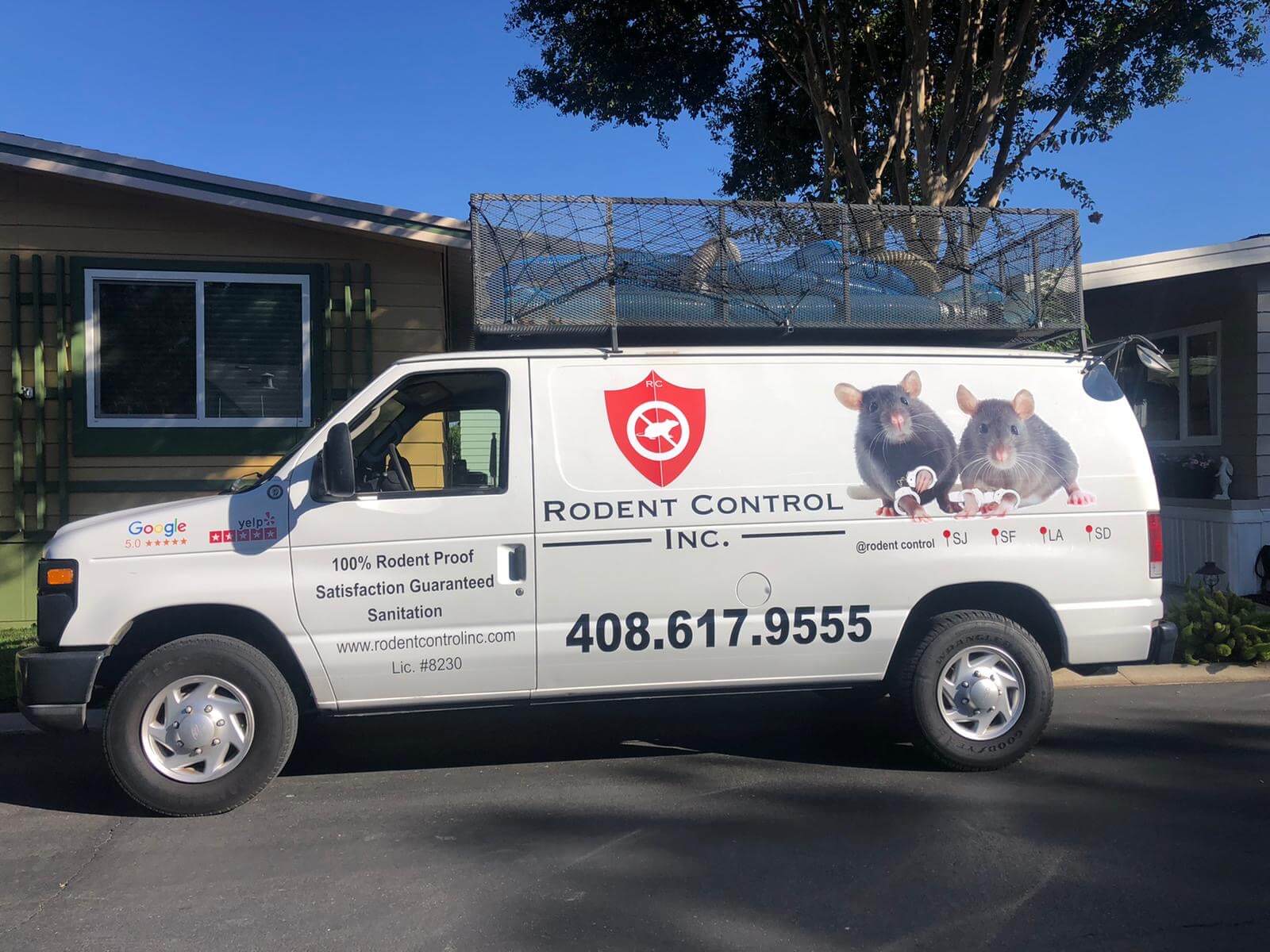
Rodent Control Inc. And name recognition Brand recognition can be useful, but it is not a substitute for checking local performance. Companies such as Rodent Control Inc. May have multiple operations and varying performance across branches. If you see the name Rodent Control Inc. Or Rodent control company in Los Angeles County Rodent Control Inc. In marketing, verify the local team, their technicians, and the specific services they offer in Los Angeles County. Larger names often have systems for documentation and training, which is valuable for commercial clients. Smaller local firms can offer deeper neighborhood expertise. Both can earn strong reputations, and your job is to verify which one earns it in your neighborhood.
Questions to ask during the estimate A short list of focused questions will reveal a lot about a company's approach and reputation.
- What is your license number and can you provide proof of technician training and insurance? How many follow-up visits are included and what triggers additional visits at no charge? Can you show photos or reports from a similar job in Los Angeles County? What specific entry points will you address, and who is responsible for the structural repairs? Which products will you use, and how will you minimize exposure to children, pets, and non-target wildlife?
Answers should be specific and documented. Non-specific or evasive responses indicate either inexperience or an unwillingness to be accountable.
Cost versus value - how to decide Cost is always part of the conversation, but do not confuse cheap with value. Consider the cost of deferred action. Ignoring a small population can lead to insulation replacement, wiring repair, contaminated food inventory, and in the worst cases, closure for restaurants. A higher upfront cost that includes thorough exclusion, attic cleanup, and clear documentation often represents better value than multiple repeat visits with temporary fixes.
On the other hand, unnecessarily aggressive chemical treatments in low-risk situations are unnecessary and costly. A reputable operator will recommend a balanced approach, starting with non-chemical exclusion and sanitation where possible, and using targeted chemical controls when evidence supports it.
Final steps before hiring Before signing a contract, verify licensing and insurance, read the contract, and ask for a timeline. Check online reviews but read them critically. Look for consistent themes in reviews, both positive and negative. Call references if you are making a large investment, such as for a commercial property.
Make sure the company outlines a clear monitoring plan and provides you with a way to report sightings quickly. Reputation is proven after the job is done through responsiveness and follow-up documentation. If a company offers a clear plan, explains trade-offs, and backs its work with repeat visits and visible evidence, you have likely found a reputable rodent control company in Los Angeles County.
When reputation is your primary criterion, you choose fewer surprises and more predictable outcomes. Rodent problems are solvable, but they require judgment, persistence, and local knowledge. Invest the time to vet the company and demand documentation. Your home or business will be cleaner and safer for it.